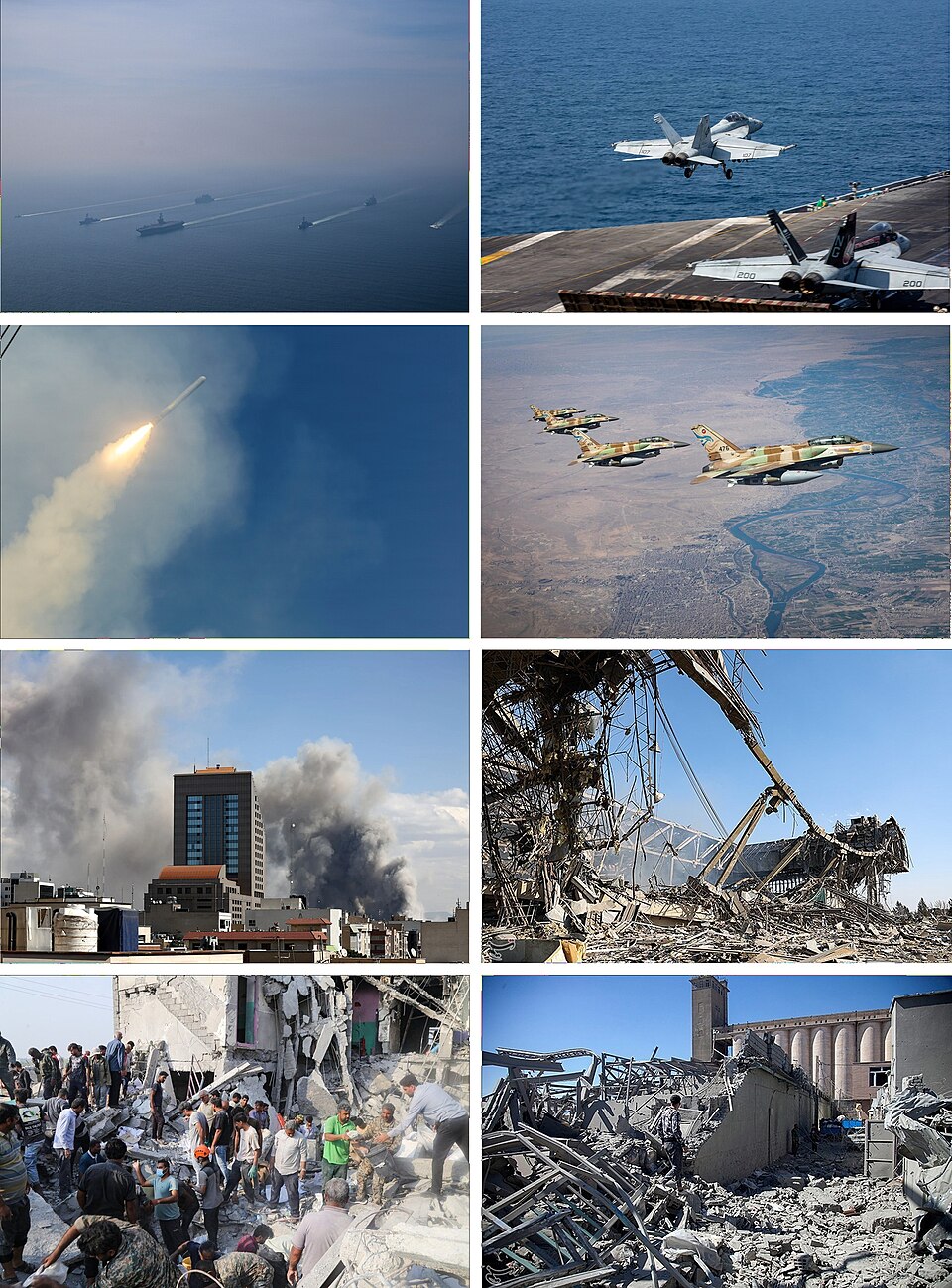
Iranian Missile Attack on Turkey: How NATO Article 5 Looms
In a recent and highly alarming development, the Middle East's volatile geopolitical landscape saw a direct confrontation involving a NATO member state. Turkey, a pivotal member of the North Atlantic Treaty Organization, found itself under direct missile threat from Iran, an incident that immediately brought the formidable concept of NATO's Article 5 mutual defense clause into sharp focus. This event underscores the escalating regional tensions and highlights the critical role of collective security in preventing broader conflict. The interception of multiple Iranian ballistic missiles by advanced NATO defense systems deployed in Turkish airspace represents not just a successful defensive action, but a stark reminder of the thin line separating regional skirmishes from a wider international crisis.
The Alarming Incident: Iranian Missiles Targeting a NATO Ally
On the 4th of the month, the Turkish Ministry of National Defense confirmed a significant security breach: a ballistic missile, launched from Iran, was detected hurtling through Iraqi and Syrian airspace directly towards Turkish territory. This was not an isolated event; subsequent reports, including those from Google News, indicated that a second Iranian ballistic missile was also intercepted, some even suggesting involvement from a US Navy destroyer in the successful neutralization of at least one of these threats. The projectiles were aimed at Turkey's southern Hatay Province, with debris from the interceptor missile reportedly falling in the Dortyol district.
This audacious act by Iran came hot on the heels of widespread retaliatory attacks it had launched against over 10 Middle Eastern countries on the 28th of last month. These earlier attacks were themselves a response to preemptive strikes by the U.S. and Israel, setting a dangerous precedent of tit-for-tat escalation. Targeting Turkey, a nation strategically positioned at the crossroads of Europe and Asia and a long-standing NATO member, introduced a new and perilous dimension to the conflict. Turkey's firm stance was immediate and unequivocal, with its Ministry of National Defense asserting its unwavering capability to secure its territory and citizens, and its right to respond decisively to any hostile acts. This incident immediately raised international alarm bells, particularly within NATO circles, due to its potential to trigger the alliance's cornerstone mutual defense provision.
NATO's Shield: How the Defense System Activated
The successful interception of the Iranian missiles was a testament to the robust and integrated missile defense capabilities of NATO. The Turkish Ministry of National Defense explicitly stated that the ballistic missiles were "timely intercepted and neutralized by NATO's missile defense system deployed in the eastern Mediterranean." This crucial detail highlights the effectiveness of multinational military cooperation and advanced technology in deterring and defending against modern threats. The system, a sophisticated network of radar, sensors, and interceptor missiles, demonstrated its readiness and precision, preventing what could have been a catastrophic attack with potentially significant casualties. The fact that "there were no casualties" is a direct result of this swift and coordinated defense.
This incident serves as a powerful validation of NATO's collective defense infrastructure, demonstrating that investments in advanced military technology and strategic deployment can genuinely safeguard member states. The involvement of assets like US Navy destroyers further underscores the integrated nature of this defense, where individual allies contribute significantly to the overall protective umbrella. Such successful operations not only protect lives and infrastructure but also send a clear message of deterrence to potential aggressors. For a deeper understanding of how these defense systems work and their impact on regional stability, see our related article:
Turkey Intercepts Iran Missile: NATO Defense Averts Escalation. This incident shows that NATO's presence in the Mediterranean isn't just symbolic; it's a vital, active bulwark against emerging threats.
Article 5: The Red Line and Its Ramifications
The core of the discussion surrounding the Iranian missile attack on Turkey quickly gravitated towards NATO's Article 5. This foundational clause of the North Atlantic Treaty states that an armed attack against one or more of its members shall be considered an attack against all, thereby obliging each member to assist the attacked party, including the use of armed force. Historically, Article 5 has only been invoked once, following the September 11th terrorist attacks on the United States.
The New York Times, among other outlets, swiftly highlighted that an attack on Turkey, a NATO member, could indeed trigger Article 5, potentially drawing all 32 member countries into a wider conflict. The implications of such a scenario are immense, suggesting a direct military confrontation between NATO and Iran, with unpredictable global ramifications. While NATO Secretary-General Mark Rutte recently stated, "There will be no military action at the NATO level," he crucially emphasized "the necessity of individual allies' participation." This nuanced position suggests that while NATO as an organization might seek de-escalation, individual member states could still decide to respond, either unilaterally or in smaller coalitions, maintaining the principle of collective defense without necessarily invoking the full scope of Article 5's military obligation.
The readiness of other NATO allies and partners further complicates the picture. The British air force base in Cyprus has suffered damage from Iranian attacks, while France, the UK, and Greece have deployed naval and air forces near the Middle East. Germany has also declared a stance of "preemptive defense," indicating a broader European concern and readiness to act. This concerted show of force and declarations of readiness underscore the seriousness with which NATO members view any aggression against an ally. For more insights into how NATO's defenses are positioned to respond to such threats, explore
NATO Missile Defense Neutralizes Iranian Threat to Turkey. The principle of collective defense remains a powerful deterrent, even if its formal invocation requires careful geopolitical calibration.
Iran's Denials and the Escalating Regional Tensions
Amidst the international outcry and NATO's defensive actions, Iran issued denials, stating it had not fired missiles towards Turkey. These denials, however, stand in stark contrast to the Turkish Ministry of National Defense's clear announcements and the multiple international reports confirming the origin and interception of the projectiles. Such contradictory statements are not uncommon in highly tense geopolitical environments, often serving to mitigate direct responsibility or avoid further escalation.
Regardless of Iran's official stance, the incidents undeniably occurred within a broader context of extreme regional volatility. Following the U.S. and Israeli preemptive strikes, Iran had already launched extensive retaliatory attacks across the Middle East. This pattern suggests a willingness to use ballistic missile capabilities to project power and retaliate against perceived aggressions. The targeting of a NATO member like Turkey, however, represents a significant qualitative escalation. It signals a readiness to push boundaries that directly challenge established international defense alliances. The immediate risk is a further spiral of attacks and counter-attacks, potentially dragging more actors into the conflict zone and destabilizing an already fragile region. The international community, therefore, remains on high alert, carefully monitoring every development.
Analyzing the Geopolitical Chessboard: What Comes Next for NATO and Turkey?
The recent `nato turkey missile` incident serves as a critical stress test for the alliance's collective defense posture and a stark reminder of the complex geopolitical chessboard in the Middle East. Turkey, situated on NATO's southeastern flank, often finds itself at the forefront of regional conflicts, making its security inextricably linked to broader European and global stability.
**Key Considerations and Future Outlook:**
* **Reinforced Deterrence:** The successful interception highlights the effectiveness of NATO's integrated air and missile defense systems. This robust capability is a powerful deterrent, signaling to potential adversaries that attacks on NATO territory will not go unchallenged. It also reinforces the credibility of Article 5, even if not formally invoked in this specific instance, by demonstrating collective defensive action.
* **Diplomatic Channels and De-escalation:** Despite the military readiness, the immediate aftermath of such incidents invariably involves intense diplomatic efforts. NATO and its member states will likely focus on de-escalation strategies, urging all parties to refrain from further provocations. Dialogue, even indirect, remains crucial to prevent miscalculation and unintended escalation.
* **Intelligence Sharing and Preparedness:** The incident underscores the paramount importance of real-time intelligence sharing among NATO allies. Early warning systems and coordinated responses are vital in mitigating threats from ballistic missiles, which offer very short reaction times. Continued investment in advanced surveillance and defense technologies will be a priority.
* **Turkey's Strategic Autonomy within NATO:** Turkey's strong statement about its "right to respond" and its capability to secure its territory emphasizes its sovereign right to self-defense while simultaneously leveraging NATO's collective strength. This balance between national interest and alliance commitments is a defining characteristic of NATO members.
* **Regional Stability:** The incident further complicates efforts to achieve lasting peace and stability in the Middle East. It highlights the interconnectedness of conflicts across the region and the challenge of containing spillover effects. International efforts will need to focus on addressing the root causes of instability and promoting regional dialogue.
In conclusion, the Iranian missile attack on Turkey, and its neutralization by NATO defenses, stands as a chilling illustration of the ongoing volatility in the Middle East and the critical role of collective security alliances. While a formal invocation of Article 5 was averted, the incident served as a powerful testament to NATO's readiness and capabilities. The world watched closely as `nato turkey missile` tensions flared, reinforcing the understanding that robust defense, combined with astute diplomacy, remains the most viable path to prevent regional conflicts from spiraling into wider international conflagrations. The need for vigilance, strong deterrence, and a commitment to de-escalation has never been more pressing.