NATO Missile Defense Neutralizes Iranian Threat to Turkey: A Critical Display of Collective Security
In a dramatic and timely demonstration of collective defense, NATO’s advanced missile defense system successfully intercepted multiple ballistic missiles launched from Iran towards Turkish airspace. This critical event, confirmed by the Turkish Ministry of National Defense, not only neutralized an immediate threat to a key NATO ally but also underscored the escalating regional tensions and the vital role of robust defense architecture in maintaining stability. The interceptions, which occurred over the Eastern Mediterranean, highlight the ongoing volatility in the Middle East and raise significant questions about the potential for wider conflict, invoking the specter of NATO’s Article 5 mutual defense clause.
The incident comes amidst a period of heightened aggression by Iran, which had previously launched widespread retaliatory attacks across the Middle East following preemptive strikes by the U.S. and Israel. The targeting of Turkey, a cornerstone of the North Atlantic Treaty Organization, represents a significant escalation, pushing the boundaries of regional confrontation and testing the resolve of the international alliance.
The Incident Unfolds: A Threat Neutralized by NATO Turkey Missile Defense
On a recent date, the Turkish Ministry of National Defense confirmed a series of urgent alerts. Ballistic missiles, originating from Iran, were detected traveling through Iraqi and Syrian airspace, with a clear trajectory towards Turkish territory. The situation rapidly escalated into a direct threat against a sovereign NATO nation. Swift and decisive action was taken.
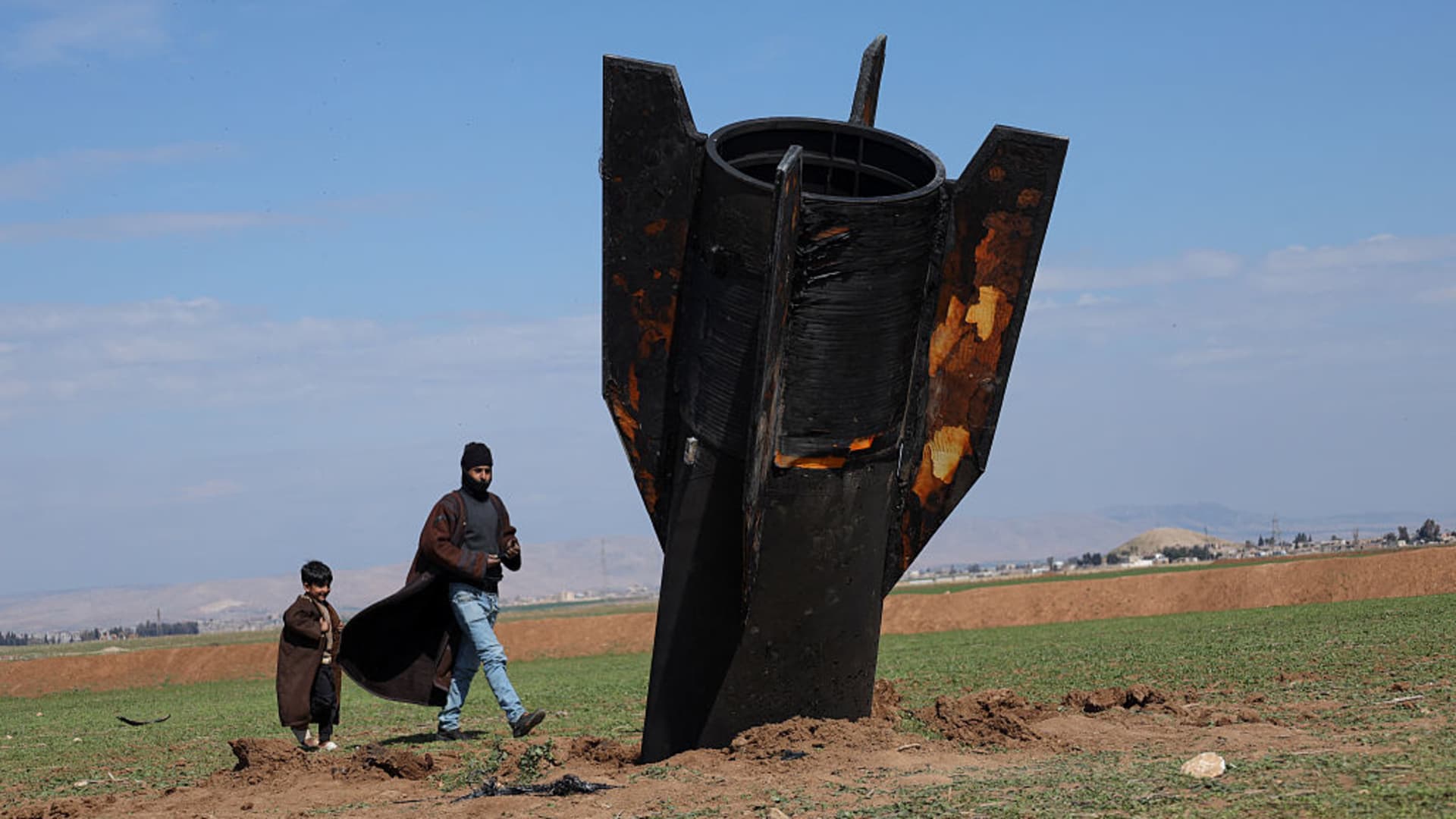
According to statements from the Turkish Ministry of National Defense, NATO's missile defense system, strategically positioned in the Eastern Mediterranean, sprang into action. This sophisticated network of radars, command and control centers, and interceptor missiles tracked and neutralized the incoming threats. "A ballistic missile, which had passed through Iraqi and Syrian airspace and was heading toward Turkish airspace, was timely intercepted and neutralized by NATO's missile defense system deployed in the eastern Mediterranean," the Ministry announced via social media. Importantly, they confirmed, "There were no casualties." Reports from various sources, including Google News, indicated that at least a second Iranian ballistic missile was also successfully intercepted, highlighting the sustained nature of the threat and the system's robust capability. Debris from the interceptor missiles reportedly fell harmlessly in the Dortyol district of Hatay Province in southern Turkey, confirming the precise nature of the defensive operation. This successful engagement of the NATO Turkey missile defense system averted what could have been a catastrophic attack on civilian areas or critical infrastructure, demonstrating the alliance's readiness and effectiveness.
NATO's Shield in Action: A Deeper Dive into Missile Defense Capabilities
The successful interception of Iranian ballistic missiles is a testament to the advanced capabilities and strategic deployment of NATO’s integrated air and missile defense system (IAMD). This is not merely a single battery but a comprehensive, layered defense designed to detect, track, and engage airborne threats from various altitudes and ranges. For Turkey, a critical frontline state bordering volatile regions, this system is indispensable.
At its core, NATO’s missile defense relies on a complex web of technologies:
- Advanced Radar Systems: Early warning and tracking radars, often deployed on land or sea, provide crucial detection capabilities, identifying incoming threats minutes after launch.
- Command and Control (C2) Networks: These sophisticated systems analyze threat data, determine optimal interception solutions, and coordinate the launch of interceptor missiles across different national assets.
- Interceptor Missiles: These are high-speed projectiles designed to physically collide with or detonate near an incoming ballistic missile, destroying it before it reaches its target. While specific systems used in this instance are not always publicly disclosed for security reasons, NATO's arsenal includes various land-based systems like Patriot batteries (operated by multiple allies, including Turkey) and potentially sea-based assets such as the U.S. Navy's Aegis destroyers, which carry SM-3 interceptors. Reports of a US Navy destroyer being involved in an interception suggest naval assets played a crucial role in this particular event.
The Eastern Mediterranean, where these interceptions took place, is a strategic area for NATO's missile defense architecture, ensuring coverage for southern flanks of the alliance. Turkey itself contributes significantly to NATO's IAMD, hosting early warning radars and maintaining its own air defense assets. This integration means that threats detected by one NATO member are shared across the network, enabling a collective response. The incident powerfully validates the immense investment and ongoing training dedicated to these defense systems, proving their ability to protect populations and critical assets against sophisticated missile threats. It further underscores how NATO's collective defense framework provides a level of security that no single nation could achieve alone, particularly against a rapidly evolving threat landscape.
To learn more about how Turkey's interception successfully averted wider escalation, click here.
Article 5 and the Spectre of Escalation: NATO's Dilemma
The attack on Turkey, a sovereign NATO member, immediately invoked discussions around Article 5 of the North Atlantic Treaty. Article 5 is the cornerstone of NATO, stating that an armed attack against one member shall be considered an attack against all, obliging each member to assist the attacked party, including with armed force. This principle transforms a bilateral aggression into a collective security concern, potentially drawing all 32 member countries into conflict.
The New York Times highlighted the grave implications, reporting that an attack on Turkey could trigger Article 5, risking a wider war. While NATO Secretary-General Mark Rutte tempered expectations by stating there would be "no military action at the NATO level," he crucially emphasized the necessity of individual allies' participation, indicating that member states remain prepared to act. This nuanced stance reflects NATO's delicate balancing act: demonstrating unwavering solidarity and defensive capability while also striving to prevent uncontrolled escalation.
The regional impact of Iranian aggression is already evident beyond Turkey's borders. The British air force base in Cyprus, a Mediterranean EU member, also suffered damage from Iranian attacks, underscoring the broad reach of the current conflict. In response, France, the UK, Greece, and others have deployed naval and air forces near the Middle East, while Germany has declared a stance of "preemptive defense." These actions signal a unified concern and a readiness to bolster deterrence and defense postures. The successful NATO Turkey missile interception, while preventing a direct strike, brings into sharp relief the potential for miscalculation and the urgent need for diplomatic off-ramps alongside robust defense. The alliance faces the ongoing challenge of defending its territory and members without inadvertently fueling a broader conflagration.
For an in-depth analysis of how this incident impacts NATO's Article 5 considerations, read more here.
Turkey's Steadfast Resolve and Broader Regional Implications
Turkey’s response to the Iranian missile threat has been unequivocal and resolute. The Turkish Ministry of National Defense explicitly stated, "While supporting regional stability and peace, we have the capability to secure the security of our territory and citizens regardless of the source or location of the threat." This strong declaration underscores Turkey's commitment to self-defense and its readiness to act decisively. "We will take all necessary measures decisively and without hesitation to defend our territory and airspace," the Ministry emphasized, adding, "We have the right to respond to any hostile acts against our nation."
This steadfast resolve is rooted in Turkey's unique geopolitical position. Serving as a bridge between Europe and Asia, and bordering volatile regions including the Middle East, Turkey's stability is paramount not only for its own citizens but also for regional and indeed global security. Its control over vital waterways and strategic land routes makes it an indispensable ally within NATO and a critical player in international affairs. The recent incident with the nato turkey missile interception highlights the constant vigilance required in this strategically sensitive area.
The broader implications of Iran's actions are deeply concerning. The launching of ballistic missiles towards a NATO member represents a dangerous escalation of regional tensions, which have been exacerbated by Iran's widespread retaliatory strikes against other Middle Eastern countries. While Iran has denied firing missiles towards Turkey, the evidence presented by Turkish authorities and observed by NATO defense systems paints a clear picture of aggression. This pattern of behavior risks further destabilizing an already fragile region, potentially drawing in more international actors and creating new fronts of conflict. The international community, therefore, remains intensely focused on de-escalation while reinforcing defensive capabilities to prevent similar future incidents.
Conclusion
The successful interception of Iranian ballistic missiles by NATO's defense system deployed to protect Turkey stands as a powerful testament to the efficacy of collective security. It not only averted a potential catastrophe on Turkish soil but also sent a clear message about the unwavering commitment of the North Atlantic Treaty Organization to defend its members. The incident underscores the critical importance of a robust, integrated missile defense architecture and highlights Turkey's strategic value as a frontline NATO ally in a volatile region.
While the immediate threat was neutralized, the event casts a long shadow over regional stability, bringing the specter of Article 5 and wider conflict to the forefront of international discourse. It serves as a stark reminder of the escalating tensions in the Middle East and the constant need for vigilance, diplomatic engagement, and credible deterrence. As the situation evolves, the cohesion and resolve of NATO, exemplified by the swift action of the NATO Turkey missile defense, will be paramount in navigating these complex geopolitical challenges and working towards a more stable future.